Cursor has introduced Projects in public beta, moving AI coding beyond ephemeral chat windows into long-running coordinator agents. Projects run continuously in dedicated cloud environments, orchestrate parallel subagents, sync shared codebase memory over months, and execute recurring development work without human prompting.
OpenAI has introduced its Agents API in public beta, exposing the production harness and cloud sandboxing infrastructure behind Codex to external developers. The managed API bundles automatic context compaction, on-demand tool search, and multi-agent delegation without requiring custom orchestration code.
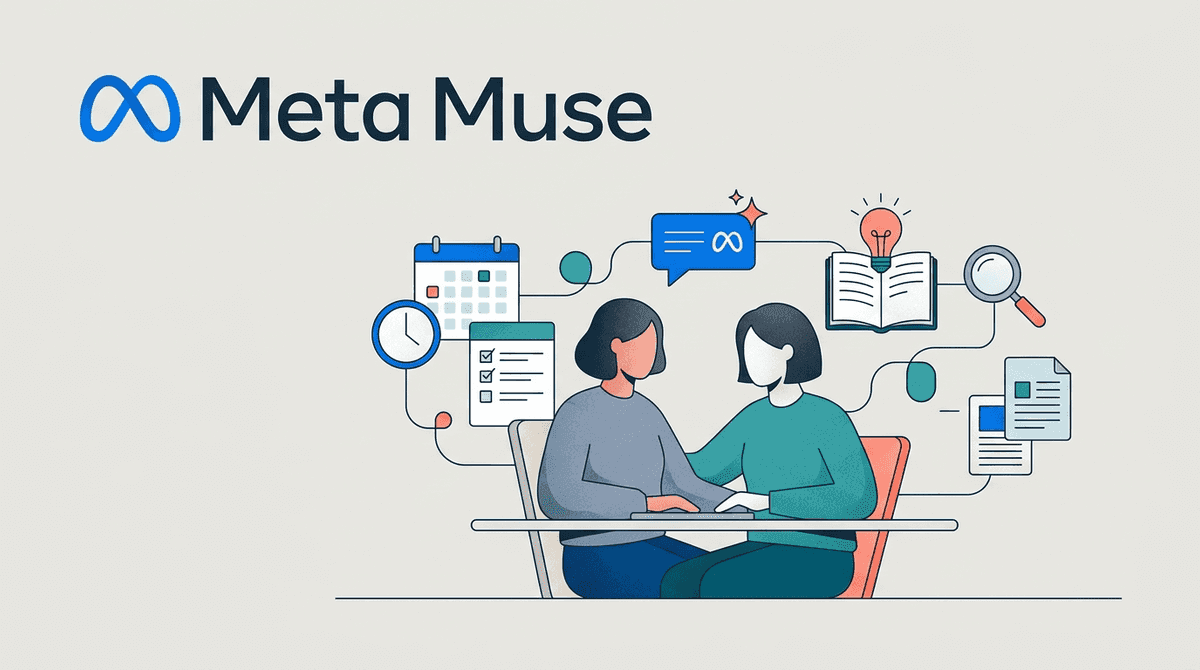
Meta has officially launched Muse, an autonomous personal AI agent designed to execute complex, multi-step tasks across a user's daily digital life. Available on web, mobile, and WhatsApp, the agent pairs general reasoning with background workflow automation.
Unlike standard conversational chatbots that merely suggest actions, Muse provisions an isolated cloud Linux virtual machine for every user, mediating sensitive credentials and external web actions through an independent security authority named Sentinel.
Ollama has released direct integration support for Anthropic's Claude Desktop app, allowing developers to route sensitive code reviews, terminal lookups, and private file analysis to locally running open models via the Model Context Protocol.
The workflow pairs Claude's sophisticated desktop client interface with complete local data privacy and zero API token consumption.
Hugging Face has published its State of Open Models report for Summer 2026, revealing a decisive global pivot away from sheer parameter scale toward compact, efficient architectures, Qwen-based ecosystems, and specialized local agents.
The analysis tracks real-world community downloads, showing that developer adoption favors agile models that run on consumer silicon and private edge devices.
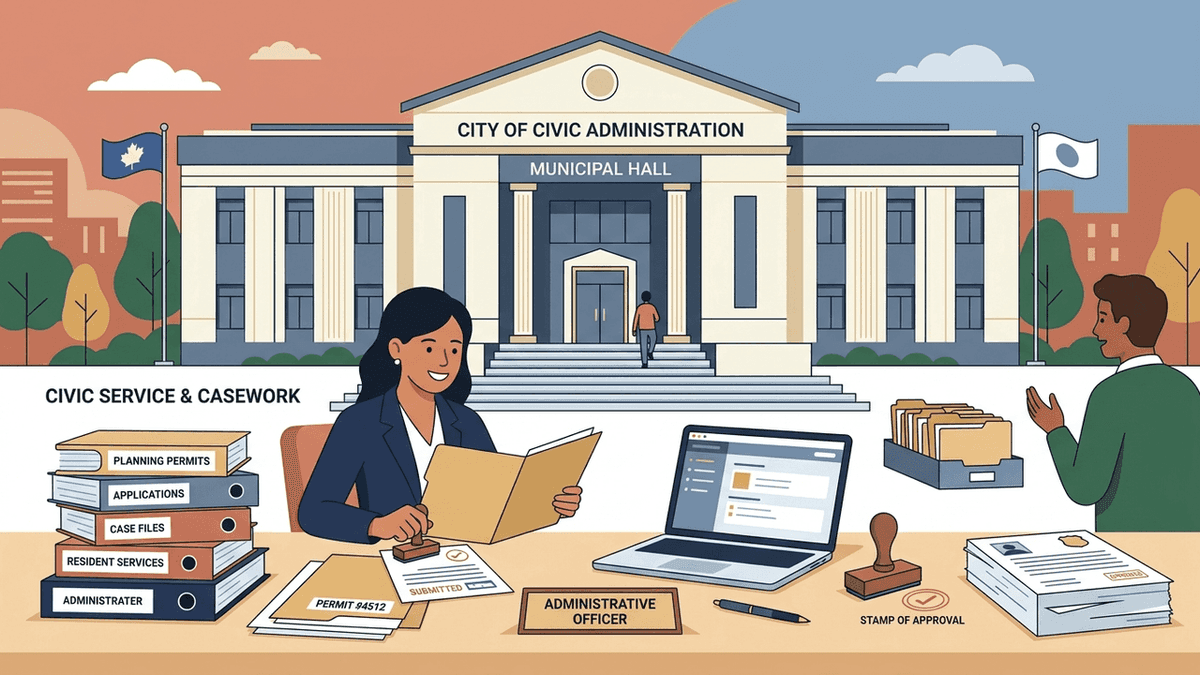
Government agencies are deploying Google Gemini models in controlled pilots to process severe administrative backlogs, review multi-decade planning records, and draft structured casework summaries for civil servants.
The initiative demonstrates concrete public-sector utility, focusing on rigorous document processing and compliance verification rather than open-ended consumer chat.
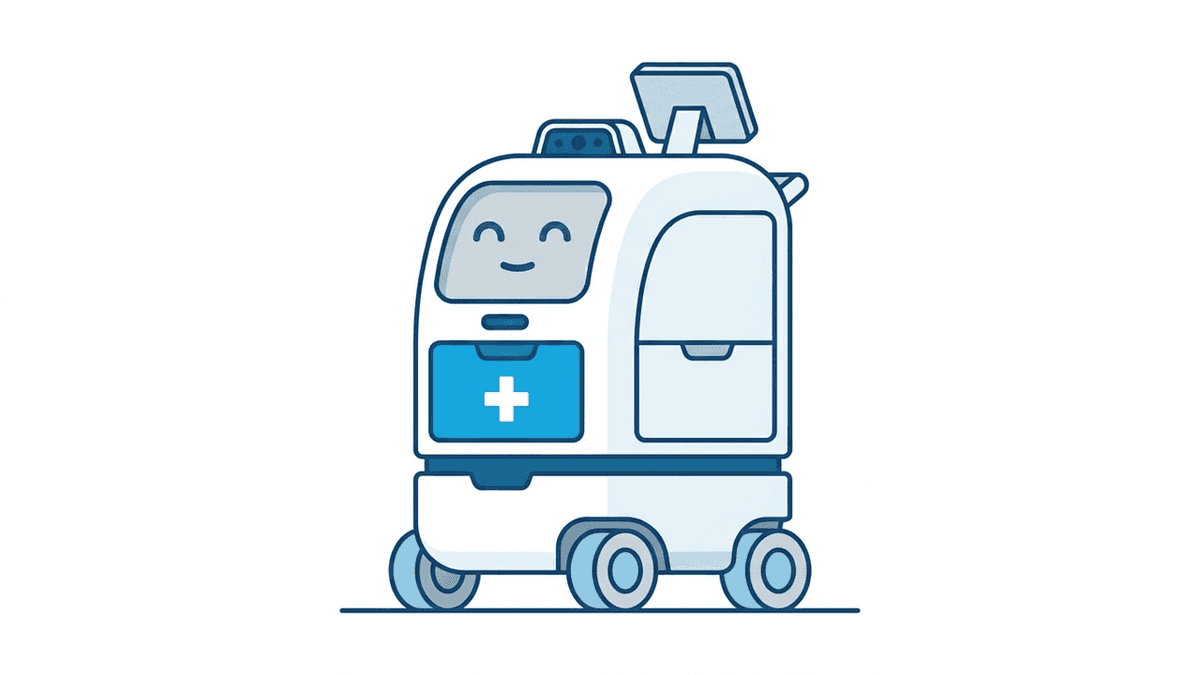
Foxconn has partnered with NVIDIA and leading medical centers in Taiwan to implement coordinated agentic artificial intelligence and physical assistance robots across hospital wards and clinical administration.
Part of the Healthy Taiwan initiative, the project replaces disconnected digital tools with unified autonomous systems that reduce clinical workload and patient wait times.
At the AI Now Summit, Mistral AI showcased its industrial technology stack developed in collaboration with European manufacturing leaders Airbus, BMW, and ASML.
The platform applies private, sovereign foundation models directly to complex engineering simulation, production automation, and sensitive industrial data.
Google has released Gemini 3.5 Flash, bringing frontier-grade software engineering and agentic code execution into a lightweight, high-speed model architecture.
Available immediately across Google AI Studio and developer platforms, the release reflects developer demand for speed and cost efficiency over massive parameter size.
Google has introduced Gemini Omni, an advanced multimodal model that synthesizes text, images, audio, and video into unified creative outputs, paired natively with SynthID digital watermarking for verifiable provenance.
The architecture enables designers and media professionals to generate rich assets while embedding imperceptible cryptographic signatures directly into synthetic pixels and sound.
Ollama has introduced preview support for Apple MLX, bringing deep architectural acceleration to open-weight artificial intelligence models running natively on Mac devices.
The update reduces memory footprints and dramatically speeds up token generation for developers running local coding assistants and private terminal agents.
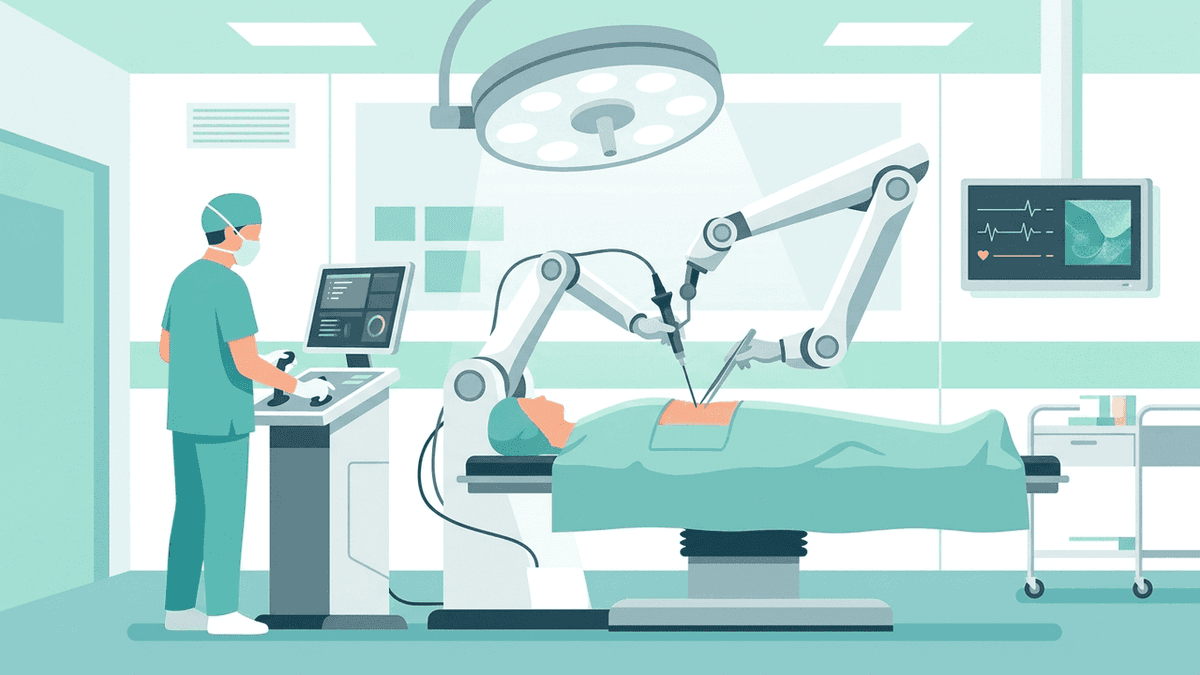
At GTC 2026, NVIDIA announced a suite of open physical-AI models and simulation frameworks engineered to transition healthcare robotics from passive computer vision to spatial reasoning and autonomous physical action.
The platform equips surgical instruments and hospital service robots with the ability to perceive complex medical environments and assist clinical staff safely.
 Coding
 Coding
 Automation
 Coding
 Research
 Productivity
 Automation
 Automation
 Coding
 Design
 Coding
 Research